Best Bath Salts for Relaxation and Better Sleep: A Japanese Bather’s Picks
Affiliate disclosure: As an Amazon Associate, I earn from qualifying purchases. This post contains affiliate links, and if you buy through them, I may earn a small commission at no extra cost to you.
You don’t just want your muscles to relax. You want your mind to switch off, and you want to actually sleep afterward. A warm bath before bed is one of the oldest ways to wind down, and the right bath salt can make that ritual work harder for you.
I live in the Kanto region of Japan, where an evening soak is simply how the day ends. So I’ve spent years figuring out which soaks calm you down and which ones just smell nice for five minutes. Here are the ones worth reaching for when relaxation and sleep are the goal.
Quick Answer
If you just want a simple answer, these are my top picks for a bedtime soak.
🏆 Best Overall — Kneipp Best for a calming, aromatic bath that helps you wind down before bed.
🌙 Best Budget Pick — Dr Teal’s Soothe & Sleep with Lavender An affordable, widely loved lavender option for an easy evening routine.
🌿 Best Fragrance-Free — Unscented Dead Sea Salt Best if you prefer a simple, mineral-rich soak without any added scent.
Not sure which fits you? Keep reading for the full comparison.
Why a Warm Bath Helps You Sleep
Here’s the interesting part. A warm bath before bed doesn’t just feel relaxing. Research suggests that warming up and then cooling down as you get out can help signal to your body that it’s time to sleep. The bath raises your body temperature, and the drop afterward mimics your natural pre-sleep rhythm.
So timing matters. Research on warm baths before bed suggests that a soak about one to two hours before sleep tends to work best, though everyone is a little different. [https://pubmed.ncbi.nlm.nih.gov/40600743/] The salt and scent you add build on that, mostly through aroma and the ritual of slowing down.
What Matters When Choosing
For relaxation and sleep, the priorities are different from a muscle-recovery soak. Look for:
- Scent that genuinely calms you. Lavender is the classic, but it’s personal. The right aroma matters more here than raw mineral content.
- A gentle, calming formula. For a bedtime soak, I personally prioritize soothing scents and a simple wind-down over anything fizzy or energizing.
- Skin comfort. You’re soaking to relax, so anything that irritates defeats the purpose.
- A ritual you’ll repeat. The product that helps you sleep is the one you’ll actually use most nights.
Comparison at a Glance
| Product | Scent focus | Best for | Price | Link |
|---|---|---|---|---|
| Kneipp | Herbal essential oils | Overall wind-down | $$ | Check Price |
| Dr Teal’s Soothe & Sleep (Lavender) | Lavender | Classic sleep scent, value | $ | Check Price |
| Dr Teal’s Melatonin Sleep Blend | Lavender + chamomile + melatonin | A sleep-focused formula | $ | Check Price |
| Unscented Dead Sea salt | Fragrance-free | Fragrance-sensitive bathers | $$$ | Check Price |
| Magnesium flakes | Unscented | Those who dislike fragrance | $$$ | Check Price |
Price guide: $ = budget, $$ = mid-range, $$$ = premium. Check the current price on each product’s Amazon page.
The Picks
Kneipp — Best Overall for Winding Down
Kneipp is a German brand that’s been a bathroom staple in Japan for years. Where muscle-recovery salts chase minerals, Kneipp chases mood. The draw is the herbal essential oils, and the scents are richer and slower to fade than most.
So this is my before-bed pick. Your muscles still relax from the warm water, but the real win is how calm you feel afterward. There’s a range of scents, so you can match the aroma to your mood.
Pros: rich, lasting herbal scents; great for a bedtime ritual; wide range of aromas. Cons: less about muscle recovery; pricier per bath than plain salt. Best for: anyone whose tension is more stress than sore muscle.
Dr Teal’s Soothe & Sleep with Lavender — Best Classic Sleep Scent
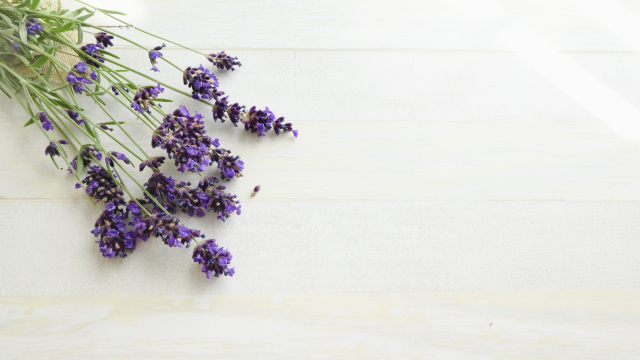
Lavender is one of the most studied scents for relaxation and sleep, although results vary from person to person. [研究リンク: PubMed lavender meta-analysis を後で貼る] Dr Teal’s Soothe & Sleep pairs a magnesium sulfate base with lavender essential oil, and it’s one of the most popular bath soaks in the US. So if you want one obvious, widely loved bedtime scent at a low price, this is the easy call.
It’s cheap, it’s everywhere, and the lavender reads as calming rather than perfumey. That combination is why it sells the way it does.
Pros: the classic calming aroma; magnesium base included; very affordable; hugely popular. Cons: scent is pleasant but not luxurious; a blend, not a premium single-origin salt. Best for: people who want a simple, budget-friendly, well-loved bedtime scent.
Dr Teal’s Melatonin Sleep Blend — A Sleep-Focused Formula
Dr Teal’s also makes a version that adds chamomile and melatonin to the lavender. It’s marketed specifically around sleep, and it’s well reviewed.
A note of caution here: melatonin is a compound that’s regulated differently from country to country, and I’m not treating the melatonin in a bath product as a proven sleep aid. What I can say is that it’s a soak formulated around a bedtime routine, and if that appeals to you, it’s worth a look. As with anything sleep-related, check with a doctor if you have concerns, and don’t treat a bath product as a substitute for medical advice.
Pros: built around a bedtime routine; adds chamomile and lavender; well reviewed. Cons: melatonin is regulated differently by region; effects vary by person. Best for: anyone drawn to a soak designed specifically around winding down.
Unscented Dead Sea Salt — Best for Fragrance-Sensitive Bathers
If fragrance tends to bother your skin or your senses, keeping things simple can be the better option. Choose a plain, unscented Dead Sea salt and enjoy it on its own. You get the minerals and a clean, gentle soak, with nothing added that might irritate.
This is the low-fuss, gentle route. No scent to react to, just warm, mineral-rich water.
Pros: no added fragrance; gentle on sensitive skin; mineral-rich. Cons: no aroma, if that’s what you were after; pricier than basic Epsom. Best for: fragrance-sensitive bathers who want a simple, clean soak.
Magnesium Flakes — Best for the Fragrance-Averse
Not everyone wants scent. If aroma gives you a headache, or you just prefer a clean soak, unscented magnesium flakes let you relax through warmth and minerals alone. The ritual itself, the quiet, the warm water, does the calming.
Pros: fragrance-free; a simple mineral soak; easy to build your own routine around. Cons: no aroma, if that’s what you wanted; pricier than basic Epsom. Best for: people who find scented products overwhelming.
Common Mistakes
A few things that stop a bedtime soak from working:
- Bathing too close to bedtime. Give yourself an hour or two, so your body can cool down after. Straight-to-bed can leave you too warm to drift off.
- Water too hot. A scalding bath is stimulating, not soothing. Warm, not fierce.
- Reaching for something fizzy or stimulating. For a bedtime soak, a calm, simple wind-down works better for me than anything energizing. Save the fizzy soaks for daytime.
- Picking a scent you don’t actually like. If lavender does nothing for you, don’t force it. The best calming scent is the one you enjoy.
- Scrolling in the bath. The phone undoes the whole point. Leave it in another room.
Important Japan-Specific Notes
In Japan, the evening bath isn’t an occasional treat, it’s the everyday close to the day, and that daily rhythm is a big part of why it works. A couple of things I’d pass on:
- The wind-down is the ritual, not just the product. Dim lights, warm water, and no screens matter as much as what you pour in.
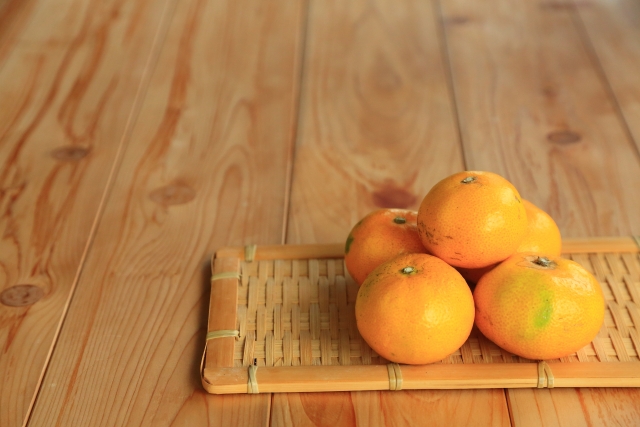
- In winter, yuzu baths are a seasonal favorite here. Floating yuzu citrus is calming and smells wonderful, an easy, natural way to make a bath feel special before bed.
- Wash before you soak. Getting into clean water purely to relax, not to wash, changes how restful the bath feels.
Who Each Option Is Best For
- Want the easiest effective wind-down? Kneipp.
- Want the classic sleep scent? Dr Teal’s Soothe & Sleep with Lavender.
- Fragrance-sensitive? Unscented Dead Sea salt.
- Dislike fragrance entirely? Magnesium flakes.
FAQ
Do bath salts actually help you sleep? Not directly, but the ritual does. A warm bath an hour or two before bed can support your natural wind-down, and a calming scent helps you relax. The salt’s main role is comfort and aroma, not a sleep drug.
What scent is best for sleep? Lavender is the most popular, but it’s personal. Herbal blends like Kneipp’s work well too. The best scent is one that genuinely relaxes you, so trust your own nose.
When should I take a bath for better sleep? Often about one to two hours before bed, so your body warms up and then cools down as you settle in. Right before bed can leave you too warm to fall asleep easily.
Final Thoughts
For winding down, skip the heavy carbonation and reach for scent and calm instead. Kneipp is my easy pick for a bedtime soak, with Dr Teal’s Soothe & Sleep with Lavender as the classic, budget-friendly alternative and an unscented Dead Sea salt for fragrance-sensitive skin.
But the real secret isn’t in the bag. It’s the ritual: warm water, low light, no phone, an hour before bed. Get that right, most nights, and the bath becomes the moment your day actually ends. That’s how it works here, and it travels well.
New to this? See my guide to recreating an onsen at home, and for muscle-focused soaks rather than sleep, my best bath salts for sore muscles roundup.
My Top Pick
If you want one simple recommendation for winding down, go with Kneipp. It’s the calming, aromatic soak I reach for most before bed.