Best Ryokan in Hakone with Private Onsen or Private Baths: 5 Picks for Privacy, Couples and Luxury
Affiliate disclosure: This post contains affiliate links. If you book through them, I may earn a small commission at no extra cost to you.
Hakone is where people from Tokyo go when they want hot springs without getting on a plane. It’s close, it’s beautiful, and it’s full of ryokan. But if you’re planning your first trip, one question comes up fast: how do you get a private bath, and what counts as “private onsen” anyway?
I live in the Kanto region and get out to Hakone regularly. I’ve stayed at Hanaori myself, so that section comes from my own experience. The other four are research-based picks, chosen from official information because they fit a specific kind of traveler. I’ll be clear about which is which throughout, because I’d want to know that as a reader.
One thing worth flagging up front: not every “private bath” in Hakone is filled with hot-spring water. Some rooms have a private open-air bath that isn’t onsen, with reservable onsen baths available elsewhere on the property. Hanaori works this way, and I explain the difference in the next section so you know what you’re booking.
Quick Answer
- Best Personally Tested Stay — Hakone Ashinoko Hanaori. The one I’ve actually stayed at, and the one I’d recommend for privacy and a relaxed first trip.
- Best Luxury — Gora Kadan. The dream stay I haven’t managed yet, one of Hakone’s best-known luxury ryokan.
- Best for Couples — Kinnotake Tonosawa. An adults-focused inn where every room has its own open-air onsen.
- Best Traditional Stay near Lake Ashi — Takumino Yado Yoshimatsu. For trips built around the lake rather than the Gora side.
- Best Tattoo-Friendly Pick — Yama no Chaya. Private hinoki onsen baths, and an inn whose own FAQ says tattoos are welcome in the baths.
Not sure what “private onsen” actually means? Read the next section first. It’ll save you from booking the wrong thing.
Private Onsen vs Private Bath in Hakone
This trips up a lot of visitors, and it’s worth understanding before you book. In Hakone, “a room with a private bath” can mean three quite different things.
1. In-room private onsen Your room has its own open-air bath, and it’s filled with actual hot-spring water. This is what most people picture, and it’s the most expensive option.
2. In-room open-air bath that is not onsen Your room has a private open-air bath, but the water isn’t from a hot spring. It’s still lovely, still private, still a real bath on your balcony. It just isn’t technically onsen. Plenty of excellent stays fall into this category, including one on this list.
3. Reservable (kashikiri) private onsen The inn has separate private hot-spring baths you reserve for a set time, often 40 to 60 minutes. You get real onsen water and complete privacy, just not attached to your room. Many places offer this free or for a small fee.
None of these is better than the others. But if you’re paying extra specifically for hot-spring water in your room, check which type you’re getting. The listing wording can be vague, and “private open-air bath” doesn’t always mean onsen.
Why Choose a Private Onsen?
Communal baths are wonderful, and I’d encourage anyone to try one. But there are good reasons to want a private option:
- You’re traveling as a couple and want to share the experience.
- You’re nervous about communal bathing. Being naked among strangers is the single biggest hesitation first-timers mention, and a private bath removes it entirely.
- You have tattoos. Many onsen still restrict tattoos, and a private bath sidesteps the issue. That said, don’t assume a private bath automatically means tattoos are fine everywhere on the property. Policies vary by facility, so check with the inn directly.
- You just want quiet. Some evenings you want to soak without anyone else around, and that’s reason enough.
What to Look For
When comparing Hakone ryokan with private baths, these are the things I’d check before booking:
- What type of private bath is it? In-room onsen, in-room non-onsen bath, or reservable kashikiri. (See the section above.)
- Is the water actually onsen? Ask if it matters to you.
- Meals. Most ryokan include dinner and breakfast. Kaiseki is the traditional multi-course option; some larger properties do buffets instead.
- Dietary needs. Tell them when you book, in writing if possible. Traditional kaiseki uses fish-based dashi in many dishes, so strict vegetarian and vegan requests need advance notice, and not every inn can accommodate them.
- Access. Hakone is spread out. A stay near Gora is a different trip from a stay on Lake Ashi.
- Tattoo policy. Check the specific property, as of the time you book.
- English support. Varies a lot. Booking platforms with English support make this much easier.
- Price. Ryokan are usually priced per person, per night, including dinner and breakfast. This catches people off guard, so factor it in.
1. Hakone Ashinoko Hanaori — Best Personally Tested Stay
★ Personally stayed · This is a place I’ve actually spent the night, so everything below comes from my own experience.
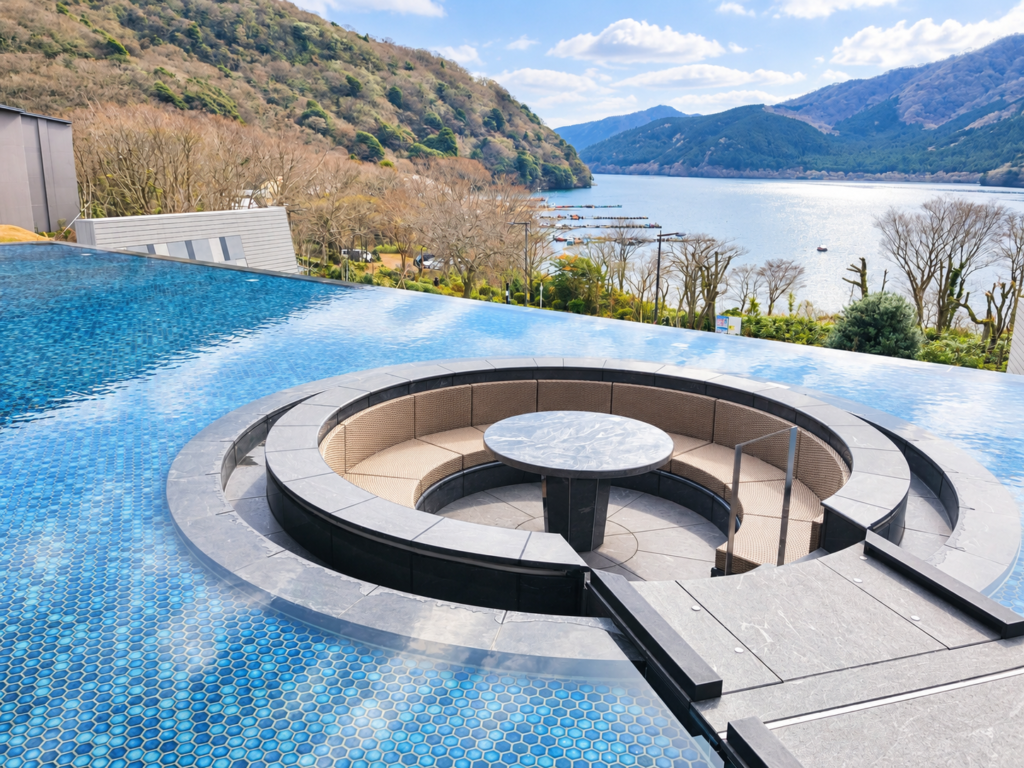
What stood out to me most at Hanaori was the sense of privacy. Having a private bathing space made it easy to slow down without worrying about other guests, and the whole stay felt calm and unhurried. If you’ve ever felt self-conscious about communal baths, this is the kind of place that takes that worry off the table.
I also loved the small details that made the stay feel distinctly Japanese. The yukata provided by the hotel added to the experience, rather than feeling like just another hotel amenity. Wearing it around the room and to dinner is a small thing, but it’s part of what makes a stay feel like more than a hotel.
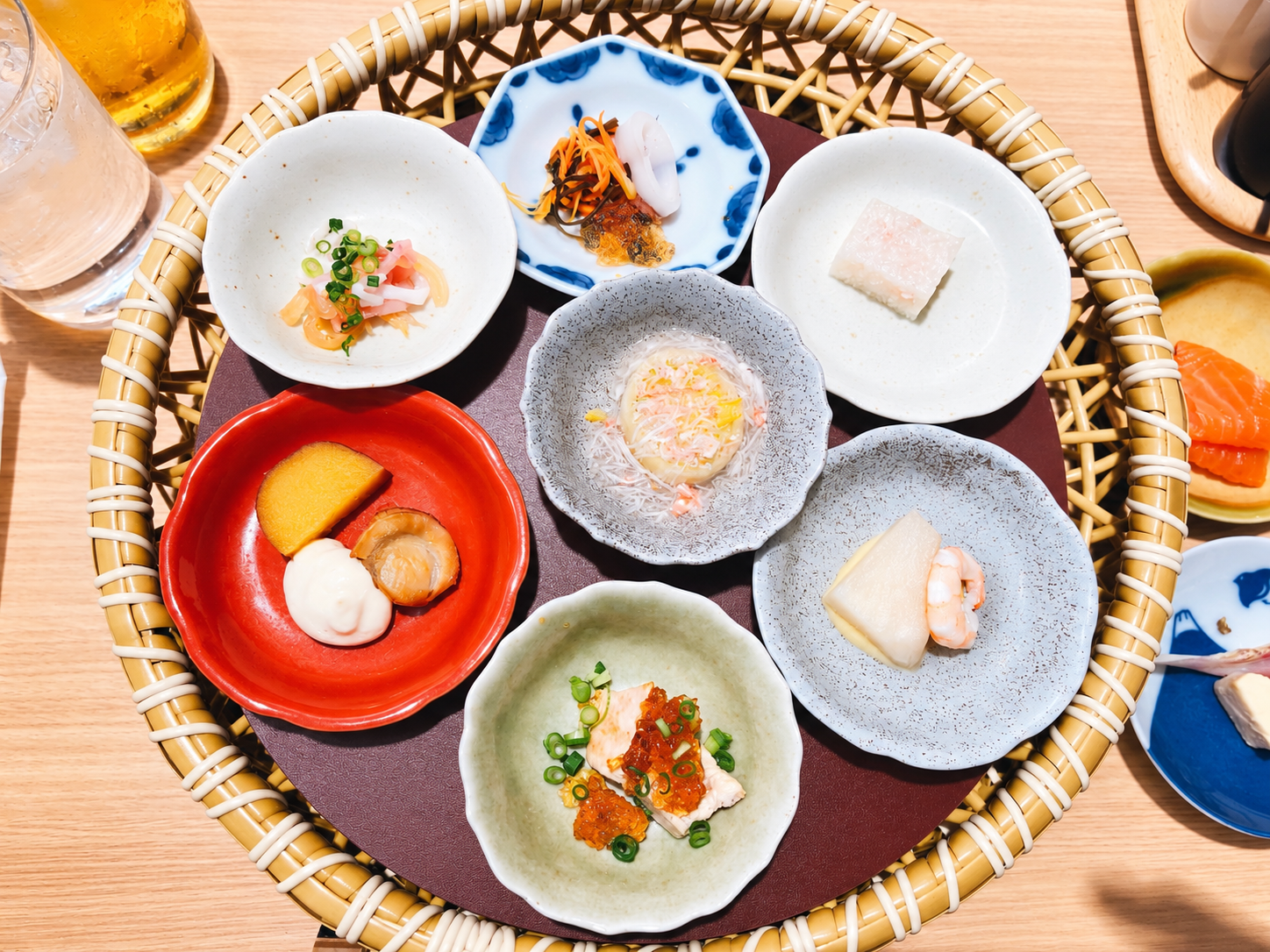
Dinner was another highlight. The food was genuinely enjoyable, but what stayed with me just as much was the hospitality. The staff were attentive and warm without being intrusive, which made the whole stay feel very comfortable. That balance, looked after but never crowded, is harder to find than it sounds.
One important detail: the open-air bath attached to the guest room is a private bath, but it is not filled with hot-spring water. Hanaori also offers separate reservable private onsen baths using Motohakone hot-spring water. So if soaking in actual onsen water is your priority, plan to book one of those during your stay. I mention this not as a criticism, but because it’s exactly the kind of thing the listings don’t always make obvious.
Pros:
- Excellent sense of privacy
- Relaxing bathing experience
- Lovely yukata and a distinctly Japanese atmosphere
- Genuinely enjoyable dinner
- Warm, attentive hospitality
- Buffet-style dining makes it easier to navigate dietary restrictions
Cons:
- The in-room open-air bath is not onsen water (reservable onsen baths are available separately)
- As a larger, resort-style property, it feels less like a small traditional inn
Best for: Couples, first-time Hakone visitors, and travelers who want privacy without sacrificing the comfort of a larger resort.
Bottom line: The stay I can personally vouch for. Comfortable, private, and genuinely well looked after — just book a reservable onsen bath during your stay if hot-spring water is what you’re after.
Want the full picture? Read my detailed Hanaori review.
👉 Check Availability
2. Gora Kadan — Best Luxury
Research-based pick. I haven’t stayed here myself.
Gora Kadan is the stay I’m saving for a special occasion. It’s one of Hakone’s best-known luxury ryokan, set on grounds that once served as a retreat for the Imperial family, and that history still shows in the setting.
Alongside its main baths, which use hot-spring water from the property’s own source, guests can reserve a private open-air onsen bath. So you get genuine hot-spring water and complete privacy, without needing the most expensive room category.
If you’re marking a milestone and budget isn’t the deciding factor, this is the one I’d dream about.
Pros:
- One of Hakone’s best-known luxury addresses
- Hot-spring water from the property’s own source
- Reservable private open-air onsen
- Refined kaiseki and beautiful grounds
Cons:
- Premium pricing
- Books up well in advance, especially in peak seasons
Best for: Special occasions, honeymoons, and travelers looking for a high-end Hakone stay.
Bottom line: The splurge option, with real hot-spring water and a setting that justifies the price for a milestone trip.
👉 Check Availability
3. Kinnotake Tonosawa — Best for Couples
Research-based pick. I haven’t stayed here myself.
Kinnotake Tonosawa is an adults-focused inn, and that shapes the whole feel of the place. Every guest room has its own open-air onsen bath, which means you never have to coordinate reservation slots or share a schedule with other guests. You just soak whenever the mood strikes.
For couples, that combination of real hot-spring water in your own room and a quiet, adult atmosphere is hard to beat. It’s the pick I’d point to for a romantic trip.
Pros:
- Private open-air onsen in every room
- Adults-focused, quiet atmosphere
- No need to book bath time slots
Cons:
- Not suited to families with young children
- Higher price point than standard hotels
Best for: Couples, honeymooners, and anyone who wants onsen water in their own room without sharing a schedule.
Bottom line: The most straightforward choice for couples who want onsen in the room, with no bath times to coordinate.
👉 Check Availability
4. Takumino Yado Yoshimatsu — Best Traditional Stay near Lake Ashi
Research-based pick. I haven’t stayed here myself.
Yoshimatsu sits in the Lake Ashi area and offers several room types with private open-air onsen baths. If your Hakone plan centers on the lake, Hakone Shrine, and the pirate ships rather than the Gora side of the mountain, this puts you in the right part of the region.
It leans more traditional than a big resort property, which suits travelers who want the classic ryokan feel with the convenience of their own bath.
Pros:
- Multiple room types with private open-air onsen
- Traditional atmosphere
- Well positioned for Lake Ashi sightseeing
Cons:
- Lake Ashi is further from Hakone-Yumoto station than the Gora area
- Room types vary, so check which bath comes with which room
Best for: Travelers building their trip around Lake Ashi who want a traditional stay with a private bath.
Bottom line: The pick if your Hakone plan centers on the lake and you want a traditional inn with your own bath.
👉 Check Availability
5. Yama no Chaya — Best Traditional and Tattoo-Friendly Pick
Research-based pick. I haven’t stayed here myself.
Yama no Chaya is tucked into the Tonosawa area and offers rooms with private hinoki (Japanese cypress) open-air onsen baths. If you’ve read my guide to hinoki, you’ll know why that appeals to me: the scent of cypress and hot-spring water together is about as Japanese as a bath gets.
What makes this one especially useful is the tattoo policy. The inn’s own FAQ states that guests with tattoos may use the baths, which is still relatively uncommon and worth knowing. If tattoos have been the thing standing between you and an onsen stay, this is a strong option.
As always, policies can change, so confirm directly with the property when you book rather than relying on this article alone.
Traveling with tattoos? I’ve put together a dedicated guide to tattoo-friendly ryokan in Hakone.
Pros:
- Private hinoki open-air onsen baths
- Tattoo-friendly according to the inn’s own FAQ
- Traditional, tucked-away setting
Cons:
- Smaller and more traditional, so fewer resort-style facilities
- Limited room availability
Best for: Travelers with tattoos, and anyone who wants a traditional hideaway with a cypress bath.
Bottom line: The clearest option if tattoos have been holding you back, with the bonus of a hinoki bath. Confirm the current policy when you book.
👉 Check Availability
Which Ryokan Should You Choose?
- I want a stay you’ve personally tried → Hanaori
- I want the ultimate luxury stay → Gora Kadan
- I’m traveling as a couple → Kinnotake Tonosawa
- I want a traditional Lake Ashi experience → Yoshimatsu
- I have tattoos, or want a traditional hideaway → Yama no Chaya
Getting to Hakone, and Getting Around
Hakone is easy to reach from Tokyo, but it’s bigger than people expect once you arrive.
From Shinjuku: the Odakyu Romancecar runs directly to Hakone-Yumoto in roughly 75 to 80 minutes, depending on the service. It’s comfortable, reservable, and the simplest option for most visitors.
Once you’re there: Hakone-Yumoto is the gateway, but most ryokan are further in. The two main directions are the Gora side (up the mountain, reached by the Hakone Tozan railway and cable car) and the Lake Ashi side (reached by bus, or by the ropeway and boat if you’re sightseeing along the way).
The Hakone Freepass covers most local transport, including the train, cable car, ropeway, buses, and sightseeing boats. It’s worth it if you plan to move around the region, especially if you’re doing the classic loop. If you’re heading straight to one inn and staying put, it may not pay off. Work out your route first, then decide.
One practical note: check which side of Hakone your inn is on before you book your transport. Getting from Lake Ashi to Gora takes longer than the map suggests.
FAQ
Can I go to an onsen in Hakone if I have tattoos? It depends on the property. Many onsen still restrict tattoos, but some, including Yama no Chaya, allow them. Booking a room with a private bath, or an inn with reservable private baths, is the most reliable way around the issue. Always confirm with the specific property, as policies change.
Is a private bath always hot-spring water? No, and this is the most common misunderstanding. Some in-room open-air baths use regular hot water rather than onsen water. If soaking in actual hot-spring water matters to you, check the room description or ask the inn directly.
How much does a Hakone ryokan cost? Prices are usually per person, per night, and include dinner and breakfast. That’s why the number can look high next to a plain hotel room. Rates vary widely by inn, season, and room type, so check current pricing when you book.
Can ryokan handle vegetarian or vegan meals? Some can, with notice. Traditional kaiseki uses fish-based dashi in many dishes, so strict requests need to be made in advance, ideally in writing. Larger properties with buffet dining, like Hanaori, tend to be easier to navigate.
When should I book? As early as you can for autumn foliage season and holiday periods. Rooms with private onsen are the first to go at most properties.
Final Thoughts
If you want my honest recommendation, Hanaori is the one I can speak to from experience: private, comfortable, with genuinely warm service and a dinner I still think about. Just go in knowing the in-room bath isn’t onsen water, and reserve one of the private onsen baths during your stay.
For everything else, match the inn to your trip. Lake Ashi or Gora. Couples or family. Tattoos or not. Hakone has a version of the onsen stay that fits, and the private-bath options mean you don’t have to talk yourself into communal bathing if you’re not ready for it.
And if you are ready for it? That’s worth doing too. I’ve written a full guide to onsen etiquette for first-timers, and if you’re still working out what a ryokan stay actually involves, start with what to expect at a ryokan.
Still deciding which part of Hakone to base yourself in? My Hakone onsen guide breaks down the areas, the water in each, and how to get around.