What Is a Ryokan? A First-Timer’s Guide to Japan’s Traditional Inns
Affiliate disclosure: This post contains affiliate links. If you buy through them, I may earn a small commission at no extra cost to you.
You keep seeing the word “ryokan” while planning your Japan trip. Everyone says you have to stay in one. But what actually is it, how is it different from a hotel, and is it worth the price? Here’s the honest guide, from someone who lives in Japan.
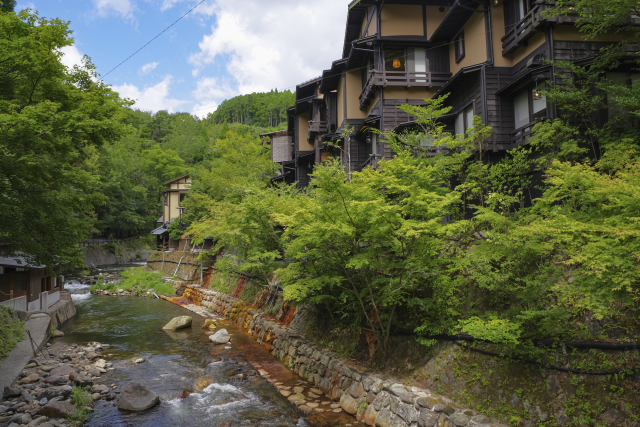
A ryokan is a traditional Japanese inn. And it’s less a place to sleep than an experience in itself: tatami-mat rooms, a cotton yukata robe, a multi-course dinner, and often a hot spring bath. Some ryokan have been run by the same family for generations. Staying in one is how many travelers say they felt they truly experienced Japan.
Let me walk you through what to expect, so you can decide if it’s right for your trip. I live in the Kanto region and get to the ryokan and hot springs around Hakone often, so this is the everyday view, not a tourist’s first impression.
Ryokan vs Hotel: The Real Differences
A hotel gives you a room. A ryokan gives you a whole evening built around rest and food. Here’s what sets it apart:
- The room. You sleep on a futon laid out on tatami mats, not a Western bed. Staff often set it up while you’re at dinner.
- The yukata. You’re given a light cotton robe to wear around the inn, even to dinner and the baths.
- The food. Most ryokan stays include dinner and breakfast, often an elaborate multi-course kaiseki meal built around local and seasonal ingredients.
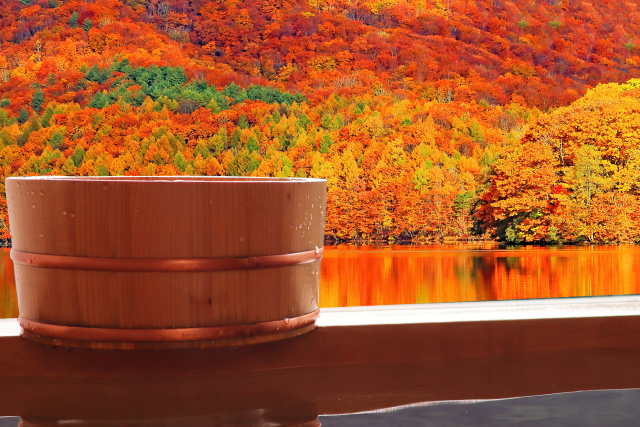
- The bath. Many ryokan have an onsen or large communal bath. This is often the main reason people book.
- The pace. A ryokan is meant to be enjoyed slowly. You check in, bathe, dine, sleep, bathe again. That’s the point.
So you’re not really paying for a bed. You’re paying for dinner, breakfast, the bath, and the whole ritual around them.
What a Typical Ryokan Stay Looks Like
Knowing the flow ahead of time takes away the nerves. A classic stay goes something like this:
- Check in (often mid-afternoon). You’re welcomed, sometimes with tea and a sweet.
- Change into your yukata. Wear it around the inn from here on.
- Take your first bath before dinner.
- Dinner, usually served in a dining room or, at higher-end inns, in your room.
- Futon time. Staff lay out your bedding while you dine.
- A morning bath, then a Japanese-style breakfast.
- Check out (often earlier than hotels, around 10 to 11 a.m.).
The Bath: Often the Whole Point
For most guests, the bath is the heart of the stay. A few things worth knowing:
- The large communal bath (daiyokujo) is for guests, sometimes on set hours or with the men’s and women’s sides swapped morning and evening.
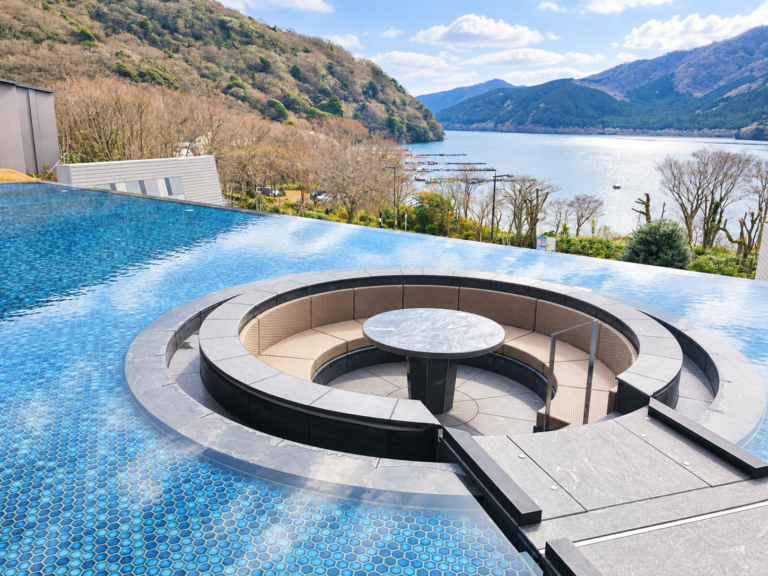
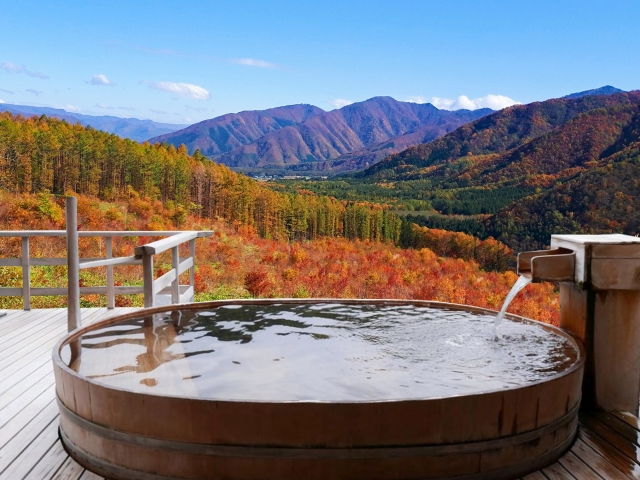
- Rooms with a private open-air bath, or plans with a reserved private bath (kashikiri), are increasingly common. They’re popular with international guests who want privacy, and with anyone who’d rather not use a communal bath.
- Onsen etiquette still applies: wash before you soak, keep your towel out of the water, and no swimsuits. If you’re new to this, my onsen etiquette guide for first-timers walks through every rule.
If you have tattoos, or you simply want privacy, booking a room with a private bath solves both at once. It’s the single easiest way to enjoy a ryokan onsen stress-free.
How Much Does a Ryokan Cost?
Ryokan are usually priced per person, per night, and that price includes dinner and breakfast. That catches a lot of first-timers off guard, so it’s worth understanding.
Prices range widely, from budget inns to famous luxury ryokan. Because meals and the bath are bundled in, comparing a ryokan’s nightly rate directly to a plain hotel room isn’t apples to apples. You’re getting two meals and an onsen in that number.
Common Mistakes First-Timers Make
A few things trip people up. Avoid these and your stay will go smoothly:
- Booking without checking meal timing. Dinner is often served at a set hour. Turning up late can mean missing it.
- Not mentioning dietary needs when booking. Allergy, vegetarian, and vegan labeling isn’t always clear, and English menus can be limited. Tell them in advance, in writing if you can.
- Expecting a late checkout. Ryokan often check out earlier than hotels.
- Missing the private-bath option. If a communal bath worries you, many inns offer private ones. You just have to look for the plan or ask.
- Wearing the yukata wrong. Always wrap the left side over the right. Right over left is used for dressing the deceased, so this one matters.
Important Japan-Specific Notes
A handful of details that are easy to miss:
- Shoes come off at the entrance. You’ll switch to slippers, and even take those off on tatami.
- The yukata is real clothing here. It’s normal to wear it to dinner and around town at hot spring resorts.
- Meals are an event, not a formality. Kaiseki dinners are a highlight, so plan to arrive with an appetite and time to linger.
- Dietary flexibility varies. Traditional inns may find strict vegetarian or vegan requests challenging, so the earlier you tell them, the better they can prepare.
- Demand can be high at popular hot spring towns, especially for rooms with private baths. Book well ahead for peak seasons.
Who Should Stay in a Ryokan?
- First-time visitors to Japan who want one unforgettable, deeply local night.
- Couples looking for a private open-air bath and a quiet, romantic dinner.
- Onsen lovers who want the bath just steps from their futon.
- Food-focused travelers who’ll appreciate a seasonal kaiseki spread.
Maybe skip it if: you’re on a tight budget every night, you strongly prefer Western beds, or you have very strict dietary needs that a traditional kitchen can’t easily meet. Even then, one ryokan night is worth planning for.
FAQ
Do you have to be naked in a ryokan bath? In the communal baths, yes, that’s standard. But many ryokan offer private baths or rooms with their own bath, where it’s just you. So nudity in front of strangers is easy to avoid if you plan for it.
Are ryokan foreigner-friendly? Many are, especially in tourist areas, and staff are used to international guests. English levels vary, so a translation app helps. Booking platforms with English support make reservations far easier.
How many nights should you stay? One or two is plenty for most trips. A ryokan stay is intense and full, so even a single night gives you the whole experience.
Final Thoughts
A ryokan isn’t just a place to sleep. It’s dinner, a bath, a robe, a futon, and a slower rhythm, all folded into one night that many travelers remember long after the trip. Yes, it costs more than a basic hotel room. But you’re paying for an experience you can’t get anywhere else.
If it’s your first time, book one night at a ryokan with a bath that suits you, communal or private, tell them your dietary needs early, and let yourself slow down. It might end up being the night you remember most.
Next, I’m putting together guides to specific hot spring towns and tattoo-friendly ryokan, plus how to book one in English.