Kao Bub Review: Can a Carbonated Tablet Really Feel Like an Onsen?
You’ve probably seen these little tablets in photos of Japanese bathrooms. Kao Bub is the carbonated bath tablet you’ll find in nearly every drugstore in Japan. Drop one in, and it fizzes. But does that fizz actually do anything, or is it just for show? Here’s my honest review, from someone who keeps a box by the tub.
I live in the Kanto region of Japan, where Bub is an everyday item, not an exotic import. So I can tell you what it’s really like to use, how close it gets to a real onsen, and whether it’s worth ordering from abroad.
What Is Kao Bub?
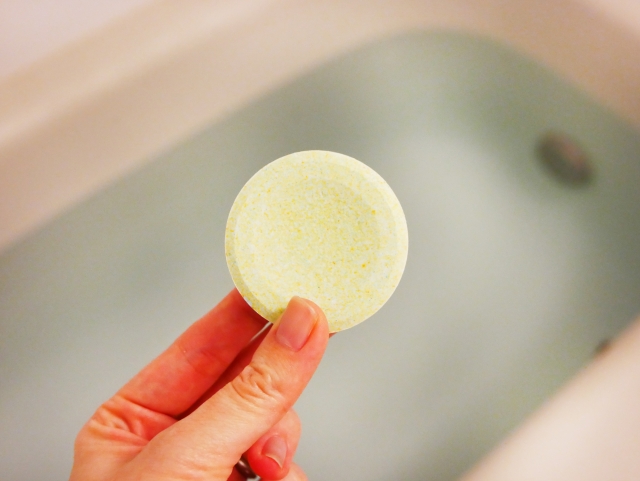
Bub is a carbonated bath tablet made by Kao, a major Japanese brand. You drop one tablet into your bath, and it dissolves while releasing fine carbon dioxide bubbles into the water.
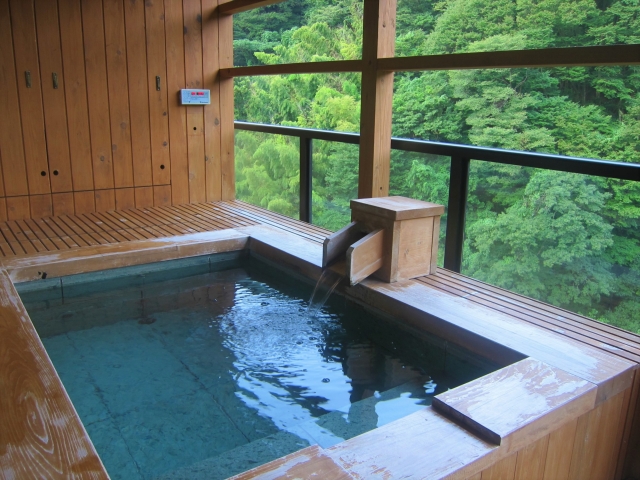
That carbonation is the whole idea. Carbonated baths like this are often described as helping warmth spread through the body, which is part of why they feel so relaxing. It draws on the same idea as Japan’s natural carbonated hot springs, which people have long enjoyed to warm up and unwind.
So unlike plain Epsom salt, which works through magnesium, Bub works through carbonation. Different mechanism, different feeling.
Who It’s For
- Anyone who wants to recreate a hot-spring feeling at home
- People with poor circulation or who feel the cold
- Anyone who finds a plain soak a bit boring and wants variety
- Curious travelers who tried an onsen and want a piece of it back home
Less ideal if: you want a big bag of value salt for daily use, or you’re mainly after magnesium for muscle recovery. For that, plain Epsom salt is cheaper and more targeted.
What I Like
The warmth is real, and it lasts. This is the thing plain baths don’t do the same way. The carbonation warms you deeper, and that warmth sticks around after you get out. On cold nights it’s noticeably better than plain hot water. That’s not marketing, it’s why carbonated springs are popular here.
It genuinely feels closer to an onsen. Of all the things you can drop in a home bath, a carbonated tablet is the closest to that fizzing hot-spring sensation. It won’t replace a trip to Hakone. But it captures a real piece of it, and that’s rare in a drugstore product.
The scents are pleasant and varied. Bub rotates through yuzu, herb, forest, and more. So you can switch it up night to night. I keep a variety box by the tub for exactly that reason.
It’s simple and mess-free. One tablet, no measuring, no residue to speak of. Easier than scooping salt.
What Could Be Better
One tablet per bath adds up. Unlike a big bag of Epsom salt, you use one tablet each time. So the cost per soak is higher, especially if you order from outside Japan. For daily use, that adds up fast.
Tablets dissolve fairly quickly. Get in soon after dropping one in, so you catch the carbonation while it’s active. Wait too long and you miss the best of it.
It’s an experience, not a workhorse. Bub is for the nights you want something nice. It’s not the plain, cheap base you’d use every single day. I treat it as a treat on top of my usual soak, not the everyday default.
How I Use It
Bub is my “I want tonight to feel special” pick, not my every-night base. A typical use:
- Wash and rinse first, so the bath is just for soaking.
- Run the water hot, around 40°C (104°F).
- Drop in a tablet and get in soon, while it’s fizzing.
- Soak 10 to 15 minutes and let the warmth settle in.
Some nights I start with plain Epsom salt for the magnesium, then add a Bub tablet for the onsen fizz. The two work well together.
Important Notes
- Get in the bath while the tablet is still active to feel the carbonation.
- Keep the water hot but sensible, and don’t soak so long you feel lightheaded.
- If you have heart or blood pressure issues, or you’re pregnant, check with a doctor before regular hot soaks.
FAQ
Does the carbonation actually do anything? Many people find carbonated baths give a deeper, longer-lasting warmth than plain hot water, which is why carbonated hot springs are popular. Individual experiences vary, and it’s not a medical treatment.
Is Kao Bub worth ordering from outside Japan? If you want the closest thing to an onsen soak at home, yes, it’s worth trying. Just know the cost per bath is higher than a bag of Epsom salt, so many people use it as a treat rather than a daily soak.
Bub or Epsom salt, which should I get? They do different jobs. Epsom salt is a cheap magnesium base for everyday muscle soaks. Bub is a carbonated tablet for an onsen-like experience. Honestly, having both covers you: plain salt most nights, Bub when you want something special.
Final Thoughts
Kao Bub does something no bag of salt can: it brings the fizzing, deep warmth of a Japanese carbonated hot spring into an ordinary bath. As someone who can buy it in any drugstore here, I still keep a box on hand, because on a cold or tired night, it turns a normal soak into something closer to an onsen.
It’s not the cheapest way to bathe, and it’s not built for daily grinding use. But as a treat, and as the most authentic onsen touch you can drop in your tub, Bub earns its spot. It’s the one I recommend when someone wants to feel a little bit of Japan at home.
New to Japanese soaks? See my step-by-step guide to recreating an onsen at home, and my ranked best bath salts for sore muscles and an onsen-style soak for how Bub stacks up against the mineral salts.