Best Bath Salts for Sore Muscles and an Onsen-Style Soak at Home: 6 Tested Picks
Affiliate disclosure: As an Amazon Associate, I earn from qualifying purchases. This post contains affiliate links, and if you buy through them, I may earn a small commission at no extra cost to you.
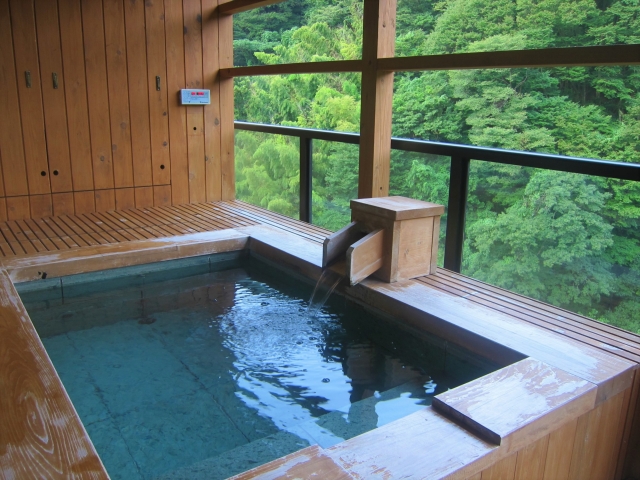
I live in the Kanto region of Japan, and soaking here isn’t a treat but a nightly habit. I use Epsom salt in my own bath almost every evening, and when I want the real thing, the hot springs of nearby Hakone are an easy trip. So I’ve tested a lot of these, from magnesium flakes to the carbonated tablets that are so common in Japanese drugstores. Below are six that actually earn their place when your muscles are the problem.
Quick Answer
If you just want a simple answer, these are my top picks depending on what you’re looking for.
🏆 Best Overall — Epsoak Epsom Salt A straightforward choice if you want a pure, unscented Epsom salt soak without unnecessary extras.
♨️ Best for a Japanese-Style Bath — Kao Bub The pick if you want something closer to a real onsen. These carbonated tablets are widely used in Japan and turn an ordinary bath into a warm, comforting soak.
✨ Best Dead Sea Salt — Minera Dead Sea Salt A good option if you prefer a mineral-rich Dead Sea salt over traditional Epsom salt.
Not sure which one to choose? Keep reading for a full comparison of all six.
Comparison at a Glance
| Product | Price | Type | Best For | Link |
|---|---|---|---|---|
| Epsoak Epsom Salt | $ | Magnesium sulfate | Overall muscle relief | Check Price |
| Minera Dead Sea Salt | $$$ | Dead Sea minerals | Rich mineral soak | Check Price |
| Yareli Magnesium Flakes | $$$ | Magnesium chloride | Deep magnesium boost | Check Price |
| Kao Bub | $$ | Carbonated tablet | An onsen-style soak | Check Price |
| Kneipp | $$ | Mineral + herbal oils | Relaxation and scent | Check Price |
| Saltworks | $$ | Spa-grade sea salt | A spa feel at home | Check Price |
Price guide: $ = budget, $$ = mid-range, $$$ = premium. Check the current price on each product’s Amazon page.
1. Epsoak Epsom Salt — Best Overall for Sore Muscles
Epsom salt is the classic for a reason. It’s magnesium sulfate, and many people reach for it to help tired muscles relax. Soak in it after a hard workout or a long day, and it’s a soothing way to unwind. (Note: this is a personal wellness routine, not medical advice.)
Epsoak is the one I’d hand a beginner. It’s cheap, it comes in a big resealable bag, and it does one job well. This is close to what I reach for most nights myself, plain magnesium sulfate, nothing fancy. Just a soak that works. And it’s one of the most-reviewed bath products on Amazon, so you’re not taking a gamble.
Pros:
- Magnesium sulfate at an unbeatable price
- Huge resealable bag lasts for months
- Unscented, so it won’t clash with anything
- One of the most-reviewed bath products on Amazon
Cons:
- No scent or extras, if you want a spa feel
- Dissolves best in hot water, so stir it in
Bottom line: The smart default for muscle recovery. Start here.
2. Minera Dead Sea Salt — Best Rich Mineral Soak
Where Epsom salt is pure magnesium, Dead Sea salt brings a fuller mineral mix: magnesium, calcium, potassium, and more. That’s closer to what you’d find in a mineral hot spring. The water feels different, softer and more “loaded,” and your skin notices.
I reach for this when a plain Epsom soak isn’t enough. It’s the one for nights when your whole body feels worn down, not just one stiff shoulder. Pricier, yes. But you’re paying for the mineral depth.
Pros:
- Full Dead Sea mineral profile, not just magnesium
- Great for skin as well as muscles
- Fine grain dissolves fast
Cons:
- Costs more per bath than Epsom
- Unscented, so it’s function over mood
Bottom line: Buy this when you want a mineral-rich soak that works on your whole body.
3. Yareli Magnesium Flakes — Best Deep Magnesium Boost
Magnesium flakes are magnesium chloride. Some people believe it’s absorbed more easily than the sulfate in regular Epsom salt, though the scientific evidence on skin absorption is mixed. Either way, flakes are a concentrated option if magnesium is what you’re after.
These come as a Dead Sea magnesium soak, and a little goes a long way. I use them on the days my legs are genuinely wrecked. And with thousands of reviews, this isn’t some obscure product. It’s a proven pick for people who take recovery seriously.
Pros:
- Magnesium chloride rather than sulfate
- A concentrated soak, so the bag lasts
- Strong track record with thousands of reviews
Cons:
- More expensive than basic Epsom salt
- Can feel slightly slick on the skin
Bottom line: The one for anyone who wants the strongest magnesium hit.
4. Kao Bub — Best for an Onsen-Style Soak
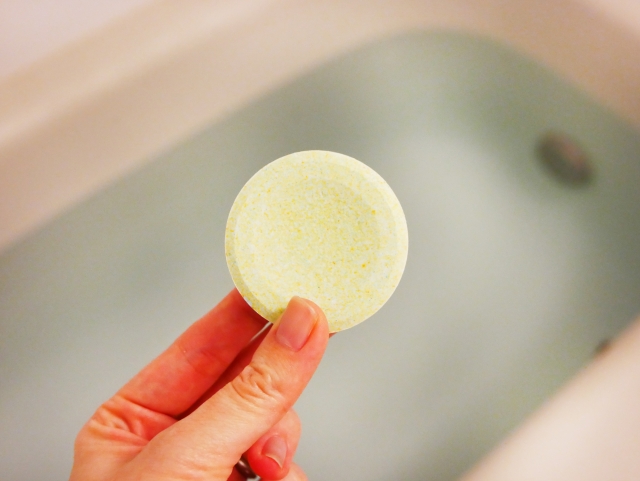
Here’s where Japan comes in. Kao Bub is a carbonated tablet that’s a common sight in Japanese drugstores, and it works differently from the salts above. Drop one in, and it releases fine carbon dioxide bubbles. Carbonated baths like this are often described as helping warmth spread through the body, which is part of why they feel so relaxing.
It draws on the same idea as Japan’s famous carbonated hot springs, which people have long visited to warm up and unwind. So while it won’t out-mineral a Dead Sea soak, it does something none of the others do: it recreates that fizzing, deep-warming onsen feeling at home. The scents rotate through yuzu, herb, and forest, and I keep a box by the tub for ordinary weeknights.
Pros:
- Carbonation warms you through, like a real onsen
- Recreates the hot-spring experience at home
- Pleasant rotating scents
- A fun change from plain salt soaks
Cons:
- One tablet per bath, so it’s pricier over time
- Tablets dissolve fast, so get in soon after
Bottom line: The pick for when you want your bath to feel like an actual Japanese hot spring.
Want a closer look? Read my full Kao Bub review.
5. Kneipp — Best for Relaxation and Scent
Kneipp is the German brand that’s been a bathroom staple in Japan for years. Where the others chase minerals, Kneipp chases mood. The draw is the herbal essential oils, and the scents are richer and slower to fade than anything else here.
So this is my before-bed pick. Your muscles still relax from the warm soak and the mineral base, but the real win is how calm you feel afterward. Good for the kind of tension that’s half sore muscle, half stress.
Pros:
- Rich, long-lasting herbal scents
- Great for winding down before sleep
- Wide range of moods and aromas
Cons:
- Less about hard muscle recovery
- Pricier per bath than plain Epsom
Bottom line: Reach for this when the goal is to relax, not just recover.
Looking for a bath salt mainly for relaxation and sleep? See my guide to the best bath salts for relaxation and better sleep.
6. Saltworks — Best Spa Feel at Home
Saltworks makes clean, high-grade sea salt that feels a step above the bargain bags. If you want your bath to feel less like therapy and more like a spa, this is the one. The crystals are consistent, they dissolve nicely, and the whole experience feels a little more intentional.
I like this for a slow weekend soak, the kind where you light a candle and actually stay in for a while. It’s not the cheapest, but it turns a bath into a small ritual.
Pros:
- High-grade, consistent crystals
- Spa-like feel without a spa price
- Backed by thousands of reviews
Cons:
- More than basic Epsom salt
- Fewer minerals than a Dead Sea blend
Bottom line: The choice when you want the soak to feel like a treat.
Which One Should You Buy?
Let’s make it simple. Match the salt to what your body needs:
- Choose Epsoak if you just want reliable muscle relief for the least money.
- Choose Minera if you want a rich, whole-body mineral soak.
- Choose Yareli if magnesium absorption is your priority.
- Choose Kao Bub if you want to recreate a real onsen at home.
- Choose Kneipp if you’re soaking to relax and de-stress.
- Choose Saltworks if you want a spa feel.
Most people should start with Epsoak. It’s cheap, it’s proven, and it does the core muscle work. Then add a box of Kao Bub for the nights you want that hot-spring feeling.
FAQ
Do bath salts really help sore muscles? A warm bath itself does much of the relaxing. Many people find that magnesium salts and carbonated soaks add to the experience, though results vary from person to person and the research is not conclusive. If you have a medical concern, check with a doctor rather than relying on a bath product.
How long should you soak? Aim for 15 to 20 minutes in water around 38 to 40°C (100 to 104°F). Longer isn’t better. That range warms you through without leaving you lightheaded, and it’s a comfortable window for a relaxing soak.
What’s the difference between Epsom salt and Dead Sea salt? Epsom salt is pure magnesium sulfate, cheap and great for muscles. Dead Sea salt has a fuller mineral mix, including calcium and potassium, which some people prefer for a more mineral-rich soak. Many people keep both.
Final Thoughts
For most tired bodies, Epsoak Epsom Salt is the easy place to start. It’s affordable, it’s magnesium-rich, and it does exactly what you need after a long day. Add Kao Bub when you want that carbonated, onsen-style warmth that only Japan’s hot springs really nail.
One last note from experience: the salt matters less than the habit. Twenty quiet minutes in warm water, most nights, does more for sore muscles than any single product. The right soak just makes those minutes better. That’s the whole idea behind a good bath in Japan, and it travels well.
My Top Pick
If you want one simple recommendation, go with Epsoak Epsom Salt. It’s the everyday soak I keep coming back to.